



Running a small business means wearing multiple hats—handling sales, operations and navigating complex tax rules. Bringing a qualified accountant onboard lets you offload VAT returns, payroll and cash flow forecasting. Professional support reduces errors and saves time, so you can concentrate on scaling rather than spreadsheets.
Here’s where an accountant really adds value:
Recent figures paint a vivid picture of UK small businesses in 2025. With 5.49 million SMEs employing 16.64 million people—that’s over 60% of private sector jobs—there’s no shortage of companies needing expert advice. Yet just 39.4% survive beyond five years, often tripped up by cash flow missteps.
Here’s an overview of key metrics on UK SMEs and why hiring an accountant matters:
SME Statistics and Implications
These figures underline that professional guidance isn’t optional—it’s essential for survival and growth.

This chart highlights how micro-businesses and sole traders dominate the landscape, while new registrations climb year on year.
“An expert accountant turns raw numbers into clear actions, easing compliance stress and powering smarter decisions.”
Most owners find that the fees quickly pay for themselves through penalty avoidance and profit improvements. For deeper insights, check out our guide on tax advice for small businesses.
Accountants do more than file returns. They spot patterns in revenue and costs, then advise on:
Armed with these insights, you can negotiate better lending terms, control expenses and fine-tune tax planning.
With SMEs turning over £2.75 trillion, many struggle amid inflation and finance pressures. Accountants help by:
This proactive partnership lays the groundwork for your next phase—whether that’s expansion, investment or even an eventual sale.
Finding an accountant who truly understands your business starts with matching their services to the way you operate.
Most sole traders, limited companies and contractors rely on advisers who know exactly when VAT kicks in and what filings they need.
Picking the right partner frees you to focus on growth—get it wrong and you’ll face unexpected fees and missed deadlines.
As a sole trader, you’ll appreciate an accountant that keeps things simple—often with a fixed monthly fee and an intuitive dashboard. They’ll tidy up your bookkeeping and spot small refund opportunities you might miss.
Most sole traders register for VAT once turnover hits £85,000, which brings quarterly returns and extra paperwork.
Limited companies face a different set of rules at Companies House—think confirmation statements and strict annual accounts deadlines. The right accountant will guide you on:
Above £85,000 turnover, VAT registration becomes mandatory and you’ll file a CT600 each year. If you have staff, payroll submissions join the mix too.
You want more than experience—you need official recognition. Aim for membership in ICAEW, ACCA or AAT and professional indemnity cover of at least £1 million.
Always ask to see sample reports before you commit.
Contractors live and breathe IR35, contract reviews and PAYE rules. A specialist accountant will often bundle compliance with automated invoicing tools so you can track billable hours accurately—and avoid HMRC queries.
“Switching from sole trader to a limited company saved me £4,500 in taxes last year,” says Laura, a freelance designer. “My accountant guided me through dividend vs salary splits and VAT registration.”
Your final choice should reflect your complexity, growth plans and compliance needs. Before you switch structures, work through this checklist:
Picking the right accountant for your UK small business begins with understanding your own structure. When you’re ready for expert, tech-driven support, Find out who we help at GenTax and let us match you precisely to the adviser you need.
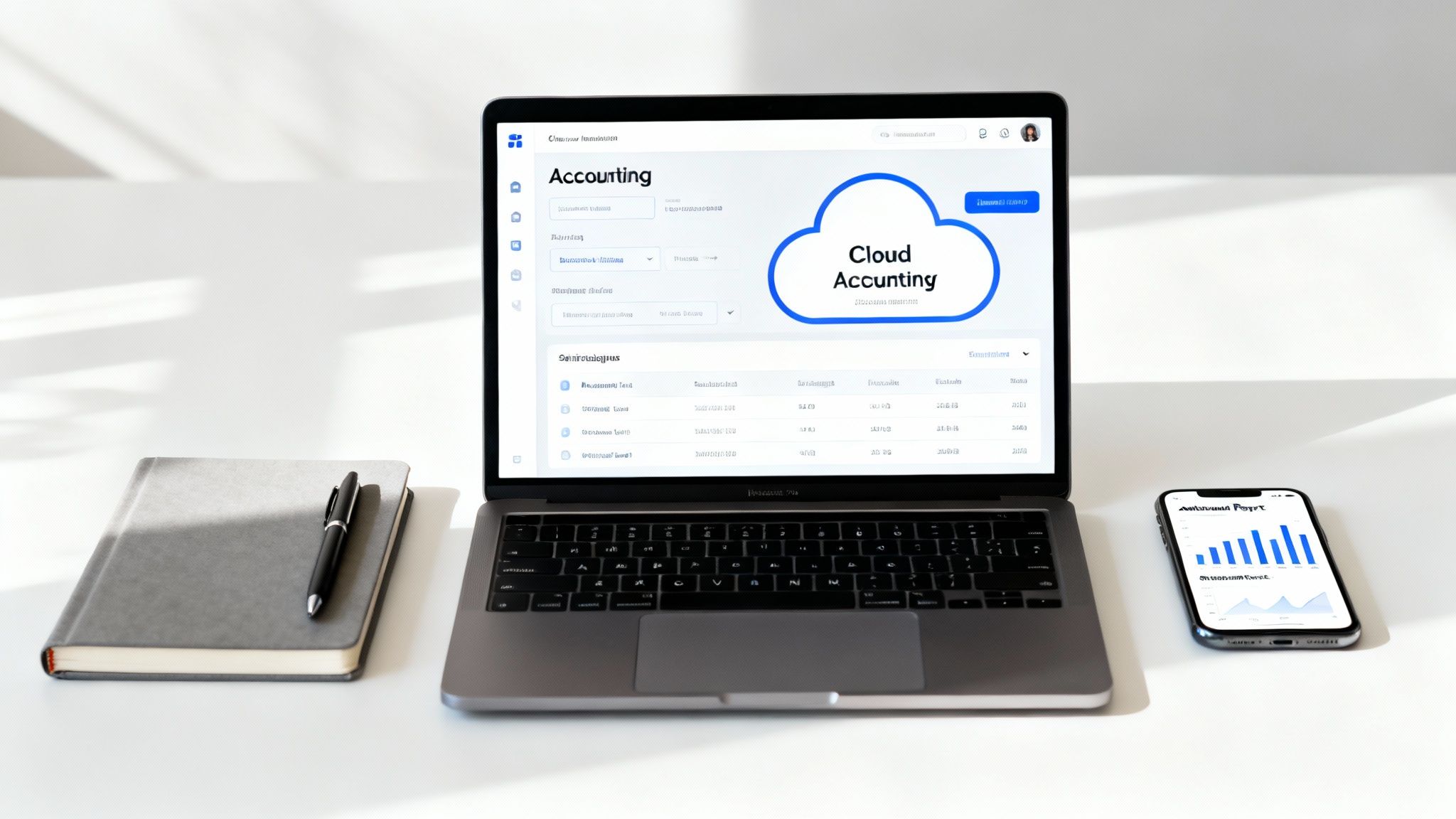
Picking the right accountant goes beyond basic bookkeeping for your UK small business. From fixed-fee plans to hourly support or one-off projects, there’s a package to suit almost any need. You’ll often find bundles that wrap VAT returns, payroll and advisory into a single monthly fee.
Yet smaller practices usually run lean teams. Recruitment pressure is cited by 67% of mid-sized and small practices as their biggest concern in 2025, down from 93% in 2023. (Read the full report about talent shortages on Silverfin). When your advisor is understaffed, you could face delays in tax filings, payroll queries or timely strategic guidance.
Choosing the right structure depends on how predictable your volumes are and how much ongoing support you need.
Most forward-thinking accountants sync with cloud platforms like Xero, QuickBooks and Sage. Bank feeds refresh automatically, so cash-flow alerts land straight on your phone.
“Automated reporting cut our month-end close time in half,” says James, owner of a small retailer.
When you bring in smart tools, the impact is immediate and measurable.
Before you sign on the dotted line, make sure your firm offers:
Many small businesses cut 20–30% off their accounting costs simply by moving to cloud automation.
Match your growth stage and budget to a clear technology tier:
Balance service scope, fees and technology maturity against your priorities:
Dive into our Best Cloud Accounting Software for Startups guide for a detailed look at leading platforms. Practical testing helps you spot any hidden quirks and ensures you partner with the right accountant for your small UK business.
A tech-savvy accountant who understands your sector can unlock real gains. Book a free consultation to review your current setup, explore cloud integration pathways and plan a phased rollout.
The right accounting partner delivers smoother compliance, sharper financial insights and more hours back in your day—exactly what you need as your business gears up for its next phase of growth.
Finding the right accountant for your small business isn’t just about comparing fees. It’s about aligning expertise, technology and communication style with your specific needs.
Before you commit, a focused conversation can reveal any gaps in service or delivery. This upfront clarity stops unwelcome surprises—like slow turnarounds or mixed messages—before they derail your plans.
Take a moment to drill down on four essential areas:
Rather than settling for “we’ll handle it,” invite detailed responses. These open-ended questions help you spot true expertise:
“Getting crystal-clear on response times saved us two weeks of delays,” says Sarah, founder of a design agency.
These queries expose operational maturity and cultural fit. They also set expectations for how you’ll work together every month.
Real stories drive home the value of clear communication and proactive advice.
Emma runs a local retail shop. Her old accountant only flagged issues after HMRC deadlines had passed. After switching, her new adviser spotted a VAT mistake immediately—and helped reclaim £1,200 within days.
Michael, who manages a small consultancy, nearly faced an £800 payroll penalty. His new accountant reviewed data ahead of submission and prevented the fine. That early check-in made Michael far more confident when building his next budget.
A simple scoring table lets you compare candidates objectively. Rate each accountant from 1–5 against your core criteria, then total the scores.
Once your interviews are done, tally up those scores. You’ll see at a glance which adviser ticks the most boxes—and why price shouldn’t be the only factor.
With a clear ranking in hand, you can discuss onboarding steps, contract terms and pricing details without second-guessing your choice.
Tip: Before each interview, pull together your latest management accounts and cash-flow statement. Having real numbers front and centre keeps the conversation practical and focused on outcomes.
Kick off with a clear plan for sharing documents, configuring cloud tools and booking regular catch-ups. This simple framework keeps everyone aligned and turns complex setup into a matter of days, not weeks. In fact, one digital-first practice slashed its compliance cycle from 4 weeks to under one by streamlining these early steps.
Before your first session, pull together:
Start by organising two years’ worth of tax returns and statutory accounts. This historical view highlights VAT or corporation tax outliers and sets a baseline for monthly trends.
Next, sort supplier invoices and customer receipts by date and category. A tidy filing system makes reconciliation faster and flags any overdue payments at a glance.
Invite your accountant into your cloud accounting platform with the right user role. Double-check that bank feeds are active and permissions allow real-time data imports.
Link your invoicing software so all sales figures flow straight into one dashboard. Tools like Xero, QuickBooks and Sage automate VAT submissions and eliminate manual updates.
You might be interested in our GenTax bookkeeping services which guarantee seamless data management and expert support.
Finally, hand over access to payroll and expense portals. A single, shared login list stops delays when closing payroll or checking expenses.
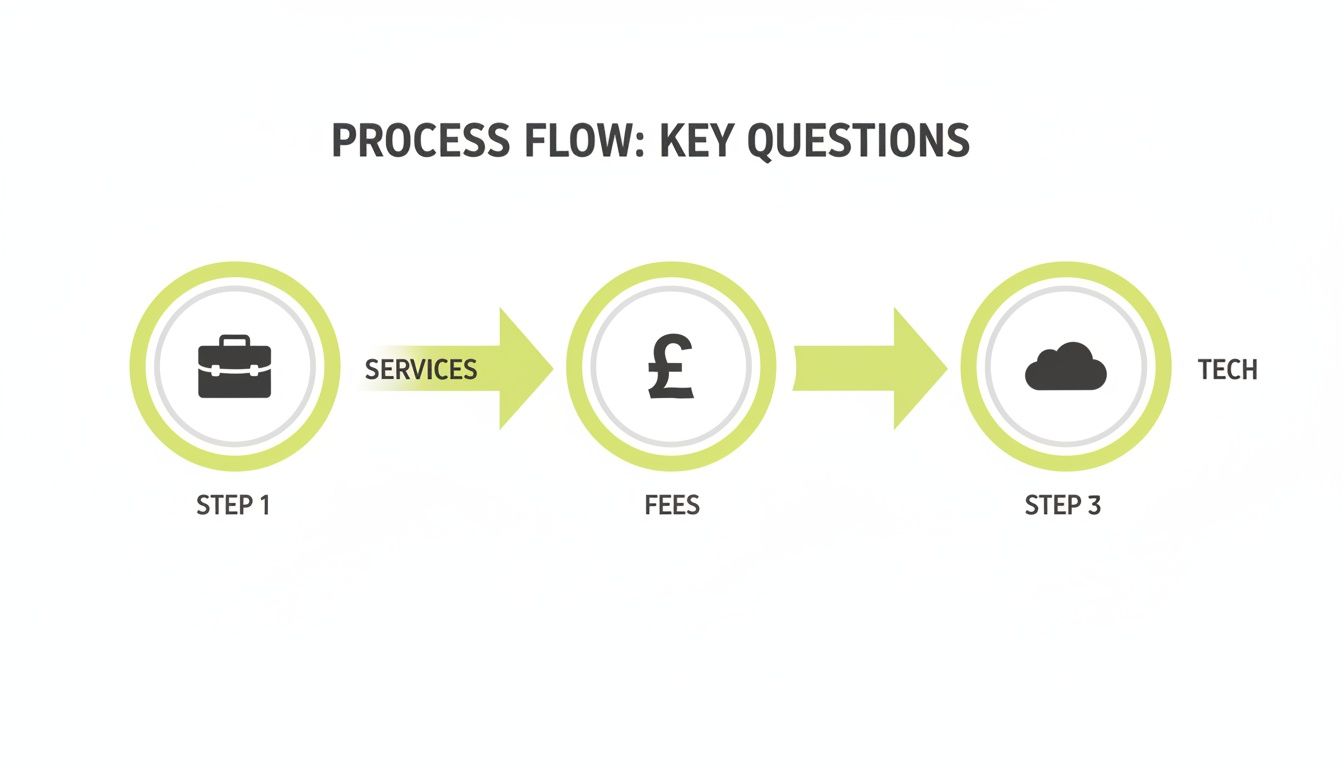
This graphic breaks down how clarifying service scope, fee transparency and tech choices can cut setup delays by over 60%. Addressing these questions early keeps the whole process on track.
Accountants’ confidence among UK small businesses showed a modest rebound in Q2 2025. SME sentiment climbed after Q1, but still trails long-term averages as inflation, funding and geopolitics bite. According to Sage’s Q2 2025 Tracker, firms saw 3.7% profit growth year-on-year despite slight revenue dips. This underscores why a methodical onboarding process is so important. Read more on Accountancy Age.
A tight, repeatable month-end routine frees your accountant to dig into the numbers rather than chase missing data. Focus on:
Digital adoption helped one boutique agency drop onboarding from four weeks to under one. Early review calls shifted the conversation from data hunting to strategic action.
“Digital onboarding shaved three weeks off our setup time, letting us act on insights immediately,” recalls a service provider.
After that first review, settle on preferred communication channels and SLAs. A shared folder for reports and a regular meeting slot will keep financial clarity front and centre.
With this approach, your accountant becomes a real partner from day one. Kick off your first review within days, not months, and watch your business decisions gain newfound confidence.
When you’re running a small business, every pound counts. Choosing the right accounting model can feel like walking a tightrope between predictable expenses and real returns.
By unpacking different fee structures, you’ll see how each option can boost cash flow, cut penalties and deliver genuine savings.
Monthly Bundles
Opting for a flat monthly retainer gives you peace of mind. For instance, a £200 per month package often covers your routine filings, basic advisory calls and audit-ready record keeping. Over a year, that investment can unlock £1,200 in VAT savings and wipe out late-submission fines.
Hourly Rates
Perfect for on-demand queries or occasional one-off tasks. Fees typically sit between £60 and £120 an hour. If you need a stand-alone tax review or bespoke forecast, you only pay for the time spent.
Project Fees
Ideal for defined milestones—think year-end accounts, VAT registration or a standalone audit. You’ll receive a clear, fixed quote upfront and won’t see surprise charges later.
A fixed-fee bundle that returns six times its cost in VAT savings is a compelling story you can’t ignore.
A small online retailer on a £200 monthly bundle:
• Annual fee £2,400
• VAT refund optimisation £1,200
• Zero late-filing penalties
• Net benefit £1,200
A consulting firm billed at £80 per hour:
• 20 hours of work = £1,600
• One-off tax review saved £600
• Adjusted net cost £1,000
Year-end accounts handled as a standalone project:
• Fixed price £1,000
• Avoided late penalty of £400
• Full compliance guaranteed
That dashboard snapshot brings everything into focus—real-time cash-flow alerts, upcoming deadlines and penalty-risk indicators. Acting on those insights can keep you ahead of HMRC dates.
Below is a quick glance at how different fee structures translate into clear outcomes.
By lining up your budget against potential returns, you can plan ahead with confidence and spot which model suits your business rhythm.
For deeper strategic input beyond standard packages, you might be interested in exploring fractional finance director services on our site.
Check out our guide on how a Fractional Finance Director can drive growth for more context.
True ROI tracking pairs your total fees against direct savings and the time you reclaim. Focus on:
One client discovered that by reviewing cash-flow alerts monthly, they recouped 150% of their annual fees via better VAT claims and tighter cash management.
Tracking real savings turns opaque accounting fees into a clear growth engine.
Run this analysis in your dashboard or a simple spreadsheet. Use colour coding for each metric to highlight trends and discuss findings in your regular review calls. Then tweak your service bundle so it always fits your evolving needs.
Always.
Navigating accounting services can feel daunting, so here we tackle the essentials and point you towards your next move.
What do our typical packages cover?
Before you sign on the dotted line, ask to see sample reports and tailored deliverables. It’s the best way to understand whether a firm’s approach matches your needs.
How much will it cost?
Fees tend to fall into fixed bundles or hourly rates. Expect:
Next step? Obtain quotes from at least three different providers and spot the differences.
Switching accountants? Keep things smooth by…
And don’t forget to:
Always ask to see professional membership—ICAEW, ACCA or AAT—and proof of indemnity cover. Check recent testimonials from businesses in your sector. It’s your safeguard against potential errors.
“Verifying professional coverage saved us £5,000 in potential fines.”
Expect a structured onboarding with cloud setup, monthly reviews and a live performance dashboard. You’ll receive draft accounts within six weeks and proactive alerts on cash flow. By the end of three months, bespoke budget forecasts will be in place.
Still got questions? Book a quick chat and compare accountants in no time.
Discover hassle-free accounting support with GenTax Accountants. Book your free consultation at GenTax Accountants.
